

Understanding Winkelbohrspindel
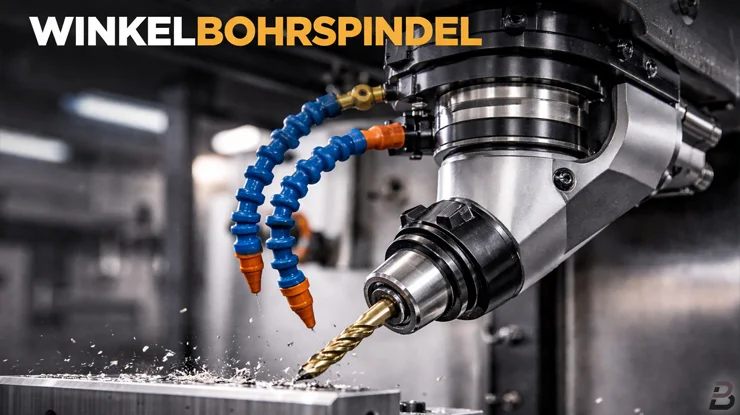
A winkelbohrspindel, commonly referred to as an angle drilling spindle, is a critical component in drilling machinery, specifically engineered to facilitate precise drilling operations. This device enables the drilling of holes at various angles, making it an invaluable asset in a wide range of industrial applications. At its core, the winkelbohrspindel comprises several key components, including a motor, spindle housing, and adjustable angle mechanism. These components work in unison to provide the flexibility required for complex drilling tasks.
The operational mechanism of a winkelbohrspindel begins with the motor, which drives the spindle to perform rotational drilling. The adjustable angle feature allows for a specific inclination, thereby enhancing the accuracy and versatility of the drilling process. Such precision is particularly beneficial in applications where conventional vertical drilling is insufficient. This capability not only increases operational efficiency but also reduces material wastage, translating into significant cost savings for manufacturers.
Winkelbohrspindeln find utility in various sectors, including woodworking, metalworking, and construction. In woodworking, for instance, they are often employed for drilling joinery holes at specific angles to ensure strong and accurate fittings. In metalworking, these spindles serve a similar function, enabling intricate designs and configurations that require detailed drilling. Furthermore, in the construction industry, winkelbohrspindeln are utilized to create complex frameworks where traditional drilling could fall short. The precision and adaptability offered by winkelbohrspindeln significantly enhance productivity in these industries, underscoring the importance of this technology.
The Significance of Winkelbohrspindel in Modern Manufacturing
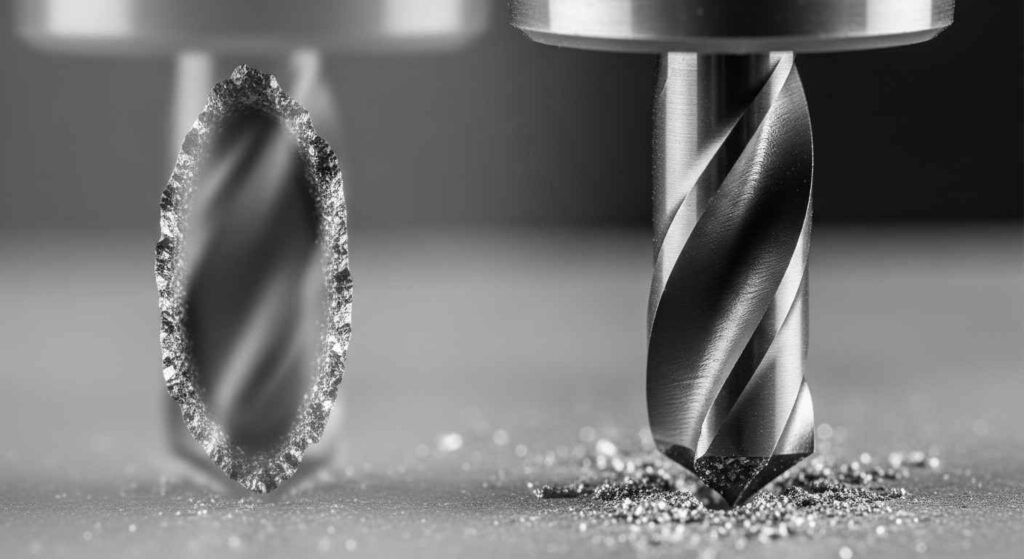
The winkelbohrspindel, or angular drilling spindle, plays a pivotal role in contemporary manufacturing processes. Its design allows for precise drilling at various angles, which significantly enhances operational efficiency and accuracy. In industries ranging from aerospace to automotive, the ability to create angled holes quickly and accurately has become indispensable.
Within modern manufacturing environments, the integration of advanced technologies demands equipment that can keep pace with increasing complexity. Winkelbohrspindels are engineered to meet these challenges by offering flexibility and precision. This adaptability not only increases productivity but also minimizes material waste, as errors from inaccurate drilling can lead to costly reworks.
Current industry trends emphasize lean manufacturing and the need for automation. Winkelbohrspindel technology fits seamlessly into automated systems, allowing for consistent performance in high-volume production settings. For instance, manufacturers of automotive components use winkelbohrspindels to drill consistent, precise holes in engine parts, which are critical for assembly and durability. Similarly, in the aerospace sector, where tolerances are extremely tight, these spindles provide the level of precision needed for flight safety and reliability.
The demand for winkelbohrspindel technologies is not limited to a specific industry; rather, it spans across various fields requiring high precision drilling. Industries such as electronics, construction, and defense also benefit significantly from the use of winkelbohrspindel devices. As technological advancements continue to shape manufacturing processes, the importance of winkelbohrspindel will likely grow further, reinforcing its necessity in achieving operational excellence in production lines.
Choosing the Right Winkelbohrspindel for Your Needs
Selecting the appropriate winkelbohrspindel is crucial for achieving effective performance in various machining applications. The first step in making this decision is to evaluate the size of the winkelbohrspindel you require. The dimensions must align with your current machinery and workspace, ensuring compatibility is maintained throughout the process. Measuring the available space and understanding the specifications of your existing equipment will aid in identifying the right size of winkelbohrspindel.
Next, consider the compatibility of the winkelbohrspindel with your existing machinery. Different types of spindles may integrate better with specific models or brands. It is advisable to consult the machinery specifications and, if available, user manuals to find compatible options. Additionally, consider the flexibility of the winkelbohrspindel in adapting to future equipment, as this could significantly improve your investment’s longevity.
Application-specific features also play a vital role in choosing the right winkelbohrspindel. Depending on the nature of your projects, certain features may be more beneficial than others. For instance, if precision drilling is a requirement, opt for a winkelbohrspindel that offers high-speed capabilities and low runout tolerance. Alternatively, if lightweight and mobility are priorities, focus on models designed for portability without sacrificing performance.
Lastly, evaluating the quality and performance of the winkelbohrspindel is essential before making a purchase. Research manufacturers and their reputations within the industry; reviews and testimonials from other users can provide invaluable insights. Look for certifications or ratings that assure quality, durability, and performance, as these can indicate a well-constructed tool that can meet the demands of your specific applications effectively.

Maintenance and Care for Winkelbohrspindel
Proper maintenance of the winkelbohrspindel is essential to ensuring its longevity and optimal functionality. Regular maintenance routines can significantly reduce wear and tear, preventing costly downtimes and repairs. One of the primary aspects of maintenance involves routine checks. These checks should include inspecting all moving parts for signs of wear, ensuring that all bolts and screws are tightened appropriately, and verifying that the power connections are secure. Monthly inspections can help catch any potential issues before they escalate.
Another critical aspect of maintaining the winkelbohrspindel is adherence to thorough cleaning protocols. Dust and debris can accumulate and interfere with the machine’s performance. Therefore, it is advisable to clean the exterior surfaces regularly with a damp cloth and to use compressed air to remove any particles from within the internal mechanisms. Additionally, the lubrication of moving parts is vital. Following the manufacturer’s guidelines on lubricant types and application intervals will contribute to the smooth operation of the device.
Troubleshooting common issues is also a key part of maintenance. Users should familiarize themselves with the typical problems that can arise, such as overheating or unusual noises. Immediate identification of such symptoms can prevent more extensive damage. For instance, if the winkelbohrspindel begins making grinding sounds, this could indicate a need for lubrication or that the components require replacement.
In conclusion, the maintenance and care of the winkelbohrspindel play a critical role in its performance and durability. By implementing regular inspections, establishing thorough cleaning routines, and promptly addressing issues, users can ensure their equipment operates efficiently and remains in excellent condition over time.
