

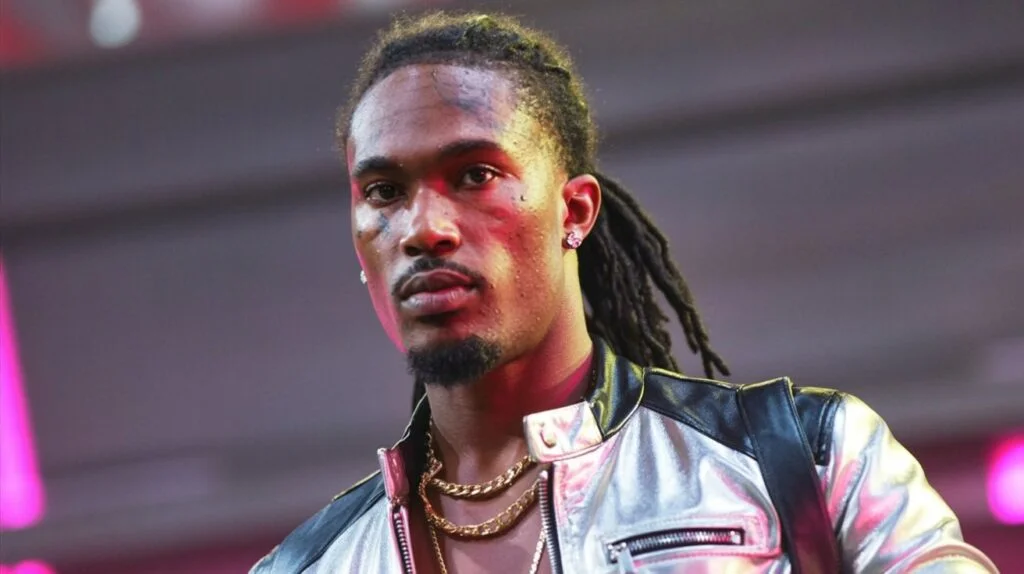
Introduction to Hunxho real name
Hunxho has emerged as a compelling figure in the contemporary music landscape, captivating audiences with his unique sound and artistic vision. Originally hailing from Atlanta, Georgia, Hunxho has grasped the attention of fans and music critics alike, carving a distinct niche in the ever-evolving genre of hip-hop. His eclectic musical style blends elements of trap and melodic influences, showcasing his versatility and creativity as an artist.
Having begun his journey in music at a young age, Hunxho’s dedication and passion have played pivotal roles in his rise to prominence. Inspired by various artists and musical genres, he developed a style that resonates with the experiences and emotions of his generation. His initial releases highlighted his lyrical prowess, which often touches on themes of resilience, self-discovery, and the complexities of life in the modern world.
Hunxho real name itself has become a significant point of intrigue. It is not uncommon for artists in the industry to adopt stage names that reflect their persona or artistic identity, and Hunxho is no exception. The distinctive choice of his name has led to questions about its origins and the meaning behind it, further sparking interest among his audience. In an industry where personal branding is vital, the significance of an artist’s name can often enhance their appeal and public perception.
As Hunxho continues to release new music and grow his fanbase, his journey illustrates the importance of authenticity and artistic expression. The evolution of his music invites a deeper investigation into his real name and its relevance to his identity as an artist. This exploration is not merely about a name; it symbolizes the broader narrative of who Hunxho is and the impact he aims to make in the world of music.
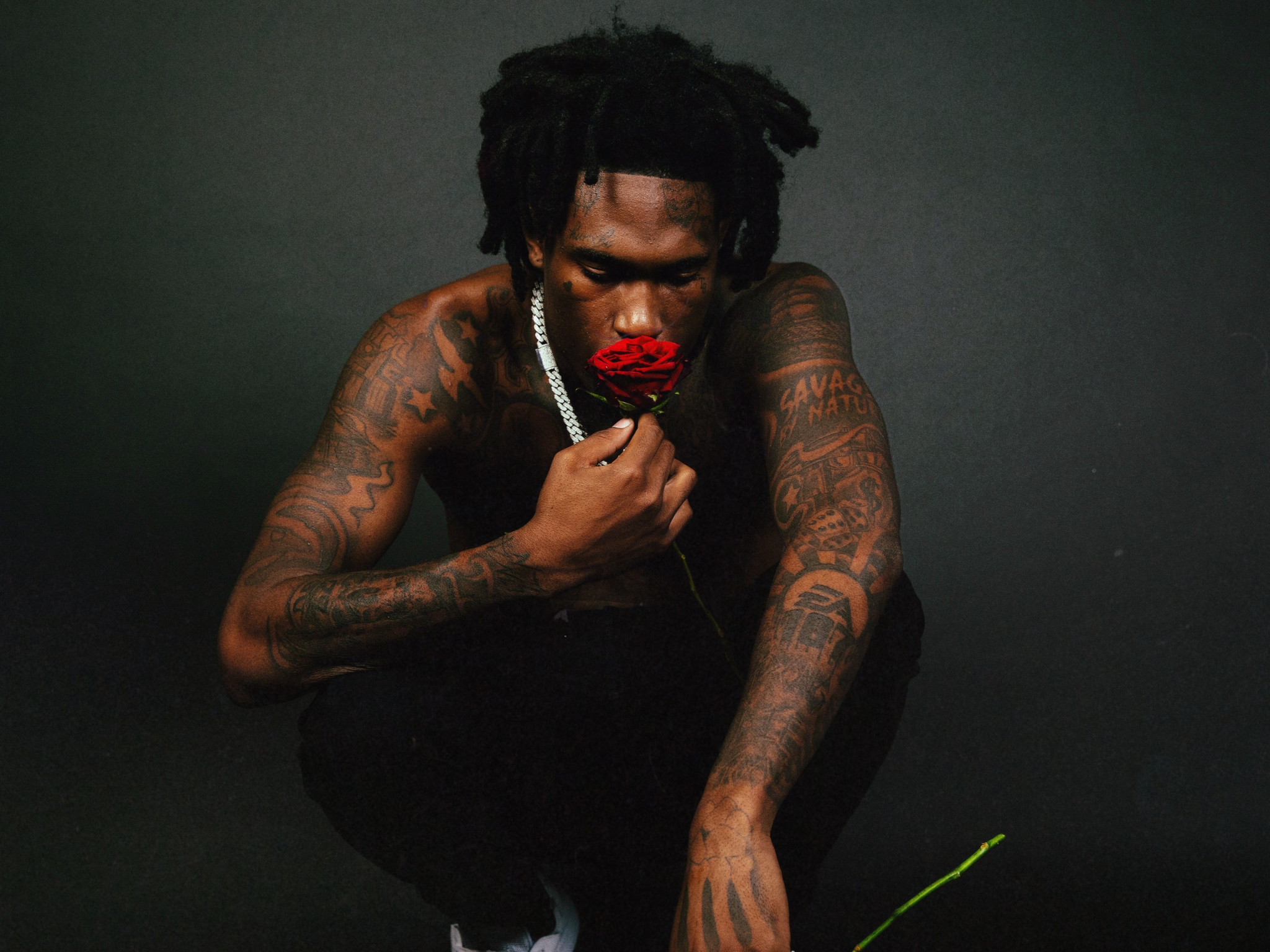
The Origin of ‘Hunxho’
The choice of a stage name often reflects an artist’s identity, drawing from personal, cultural, or artistic influences. In the case of Hunxho, his stage name is more than a mere moniker; it encapsulates his persona and artistic journey. The name ‘Hunxho’ has roots that intertwine with his background, symbolizing various aspects of his life and influences.
Initially, Hunxho’s name was derived from a combination of his upbringing and the environment that shaped his formative years. It reflects a sense of belonging and pride in his heritage, connecting him not only to his community but also to a broader cultural narrative. The phonetic stylization of ‘Hunxho’ sets it apart, offering a modern twist that resonates with a younger audience while still paying homage to traditional values.
Furthermore, Hunxho’s choice of name can be seen as a personal assertion of originality and individuality within the competitive music industry. This creative decision highlights his artistic independence, allowing him to cultivate a unique brand identity. By adopting a name that is distinctive and memorable, he positions himself as a relatable figure among his fans, bridging the gap between personal expression and public persona.
In addition, the evolution of the name Hunxho illustrates the dynamic nature of contemporary music culture. It embodies a fusion of different influences, merging traditional elements with modern aesthetics, thus enhancing his appeal across diverse audiences. As he continues to develop as an artist, the name evolves to encapsulate his artistic exploration, making it a living representation of his journey.
Hunxho’s Real Name: A Deeper Look
Hunxho, known for his unique sound and impactful presence in the music industry, was born with the name Jamal Johnson. This real name, although less recognized, plays a significant role in understanding his artistic journey and the persona he has crafted as Hunxho. The choice of a stage name like Hunxho is not merely a branding tactic but also a reflection of his artistic vision and the image he wishes to project to the world.
The name Jamal Johnson carries personal significance and cultural context that informs much of Hunxho’s work. It symbolizes his roots and the community that shaped him. This connection to his real name allows fans to relate to him on a more intimate level, knowing that behind the performance lies a person with a rich history and experiences that influence his artistry. He often integrates these elements into his music, making references to his upbringing and the challenges he faced. As such, the authenticity of his real name enhances the sincerity of his lyrics, bridging the gap between the artist and the listener.
Conversely, the stage name Hunxho establishes a distinct persona, one that is crafted to embody the energy and creativity he exhibits in his performances. It liberates him from the confines of societal expectations tied to his real name and allows him to explore various artistic avenues without limitations. This duality between his real identity and artistic persona invites discussions on identity in contemporary music, showcasing how artists navigate expectations while remaining true to themselves.

Conclusion: The Impact of Names in the Music Industry
The significance of names within the music industry cannot be understated. Artists often select stage names that resonate more deeply with the public, aiming to create a memorable brand that stands out in a crowded market. This strategic choice can enhance their visibility and impact on potential listeners. In this light, we can consider Hunxho as an illustrative case study. His transition from a personal name to a more distinctive stage name exemplifies how an artist can craft a persona that aligns with their artistic vision and brand identity.
Stage names not only serve as a marketing tool but also contribute to an artist’s narrative. They often encapsulate the essence of their music and the themes they explore. For instance, Hunxho’s name is reflective of his musical style and persona, potentially leaving a lasting impression on fans and industry stakeholders alike. The allure of a well-chosen name may amplify the artist’s appeal, paving the way for broader acceptance and commercial success.
Moreover, the distinction between real names and stage names encourages a sense of intrigue and mystique surrounding an artist. This curiosity can draw audiences in and foster a more profound emotional connection to the music. In the case of Hunxho, the journey from his original identity to his current one sparks discussions about authenticity in the artistic domain. Audiences often grapple with the duality of an artist’s public and private personas, thus affecting how they relate to their music.
Ultimately, the impact of names in the music industry extends far beyond superficial branding; it intertwines with public perception, marketing strategies, and an artist’s overall narrative. As we continue to witness the evolving landscapes of artistry, understanding the implications of these names is crucial for artists hoping to make their mark. Hunxho’s evolution serves as a reminder of the power of names to shape destinies in the vibrant world of music.
