

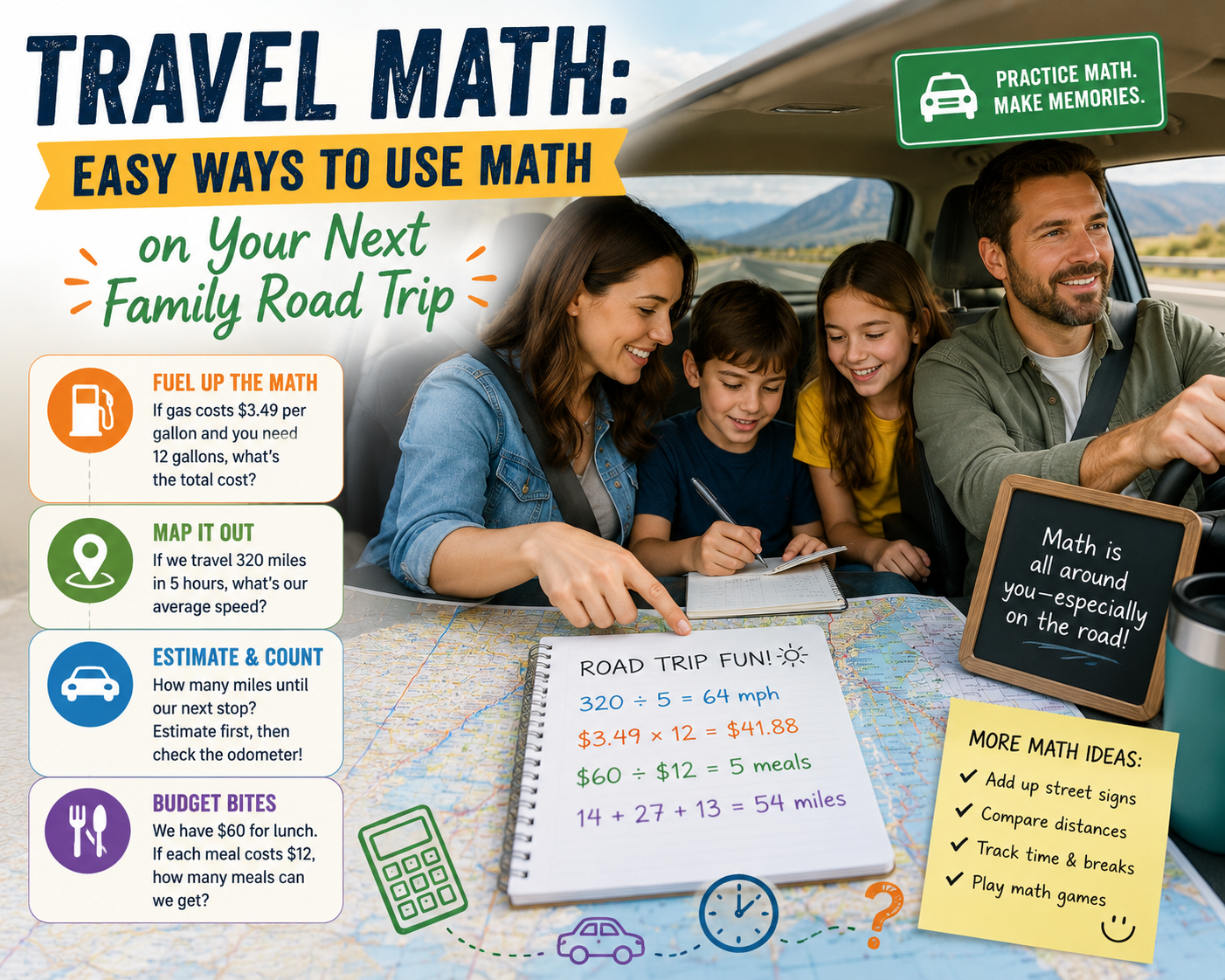
Travel Math
When you pack your bags for a big trip, you probably think about snacks, clothes, and games. But there is one secret tool you always bring along without knowing it. That tool is travel math. It is simply using basic math skills to help you plan and enjoy your journey. From counting down the miles to splitting the bill at dinner, math is everywhere when you are on the move.
Using travel math keeps your trip running smoothly and safely. It helps you understand how far you can go and how much everything will cost. When you learn to use mainkeywords travel math in real life, you become a master explorer. You do not need to be a genius to use it. You just need to know a few easy tricks to make your next vacation the best one yet.
How to Plan Your Ultimate Vacation Budget
Before you even step out the front door, travel math helps you make a great plan. Every vacation costs money, and you need to know how much you can spend. You have to add up the costs of your hotel, your meals, and your fun activities. If you have a total budget of five hundred dollars, you must divide that money wisely across all your days away.
By practicing mainkeywords travel math, you ensure that you do not run out of money too early. Imagine wanting a cool souvenir at the end of the week but realizing your pockets are empty! Planning ahead prevents that sad moment completely. It lets you relax and enjoy the fun stuff because you already know the numbers work out perfectly.
Calculating Gas Money for the Long Road Ahead
Road trips are amazing, but cars need fuel to keep their wheels turning. This is where travel math saves the day for your family. You can look at how many miles your car can drive on just one gallon of gas. Then, you look at the total distance of your roadmap to see how many gallons you need to buy.
Total Miles / Car’s MPG = Gallons of Gas Needed
Once you know the gallons, you multiply that by the current price of gas. This quick travel math trick tells your parents exactly how much money to set aside at the fuel pump. It also helps you guess the best times to stop for a stretch break and a quick snack.
Fun Biography of a Famous Travel Mathematician
To make things even more exciting, let us look at someone who used numbers to explore the whole wide world.
Explorers and Numbers
Many great historical figures relied heavily on calculations to chart new territories. Below is a detailed look at a famous navigator who mastered the art of journey calculations.
| Feature | Details |
| Full Name | Captain James Cook |
| Birth Date | October 27, 1728 |
| Profession | Explorer, Navigator, and Cartographer |
| Key Math Tool | Marine Chronometer (for time and longitude) |
| Famous Journeys | Three major voyages across the Pacific Ocean |
| Greatest Achievement | Making highly accurate maps using celestial math |
Captain Cook used a special kind of travel math to sail across giant oceans without getting lost. He measured the stars and tracked the time to find his exact position on earth. His skills prove that numbers are the ultimate compass for any great adventure.
Measuring Distance and Time on Your Trip
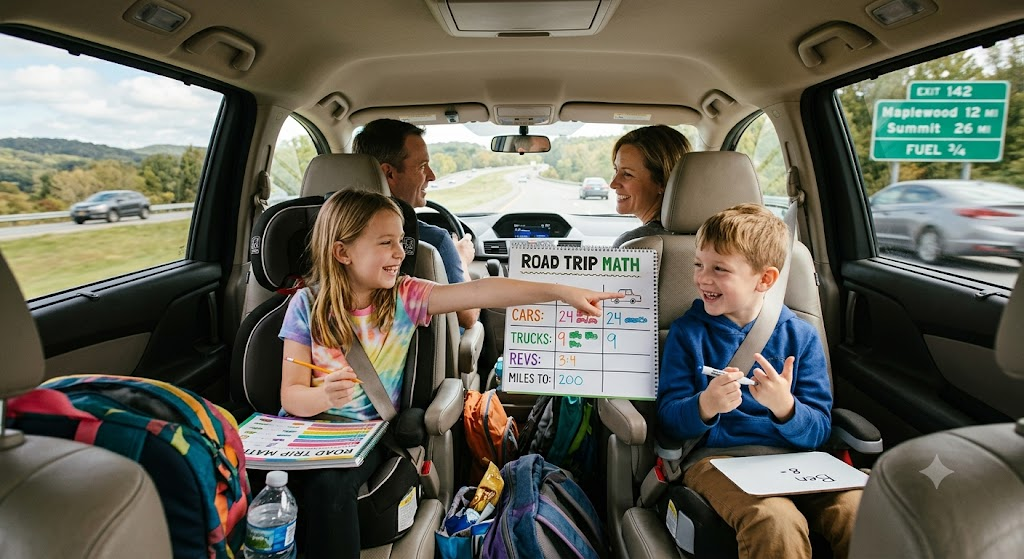
“Are we there yet?” We have all asked that question on a long ride. You can use travel math to find the answer all by yourself! If your destination is 120 miles away and your car travels at 60 miles per hour, you can divide the distance by the speed.
$$\frac{120\text{ miles}}{60\text{ mph}} = 2\text{ hours}$$
This simple bit of travel math shows that you will arrive in exactly two hours. Knowing this keeps everyone calm and patient during the drive. It turns a boring wait into a fun countdown game that passes the time quickly.
Smart Packing and Luggage Weight Limits
Did you know that weight limits exist for your suitcases? Airlines usually allow your bags to weigh up to fifty pounds before they charge extra fees. You can use travel math at home by stepping on a scale with your bag to check the weight.
If your suitcase weighs forty-two pounds, you can subtract that from fifty to see how much extra space you have left. This means you have exactly eight pounds left for fun souvenirs like books or t-shirts. Using travel math before you leave home keeps your pockets happy at the airport check-in desk.
Figuring Out Food Costs and Great Snacks
Eating yummy food is one of the best parts of going on vacation. However, eating out at restaurants three times a day can quickly add up to a lot of money. You can use travel math to budget your food costs for the whole family every single day.
If dinner costs ten dollars per person and there are four people in your family, that meal costs forty dollars. By using mainkeywords travel math, you can balance fancy dinners with simple grocery store picnics. This smart balance keeps your stomach full and your vacation budget completely safe and sound.
Splitting the Bill Fairly with Your Friends
When you travel with a group of friends, paying for things can get a little tricky. Luckily, travel math makes sharing the costs super easy and fair for everyone involved. If you buy a giant pizza for thirty dollars and three friends share it, you simply divide thirty by three.
Each friend owes exactly ten dollars for their delicious share of the meal. Using travel math ensures that nobody pays more than they should. It keeps all your friendships happy and stress-free so you can focus on making awesome memories together.
Understanding Different Currencies in Foreign Places
If you cross the border into a new country, they might use different types of paper money. This is a brilliant time to practice your international travel math skills. You will need to learn the exchange rate, which tells you how much your money is worth over there.
For example, one American dollar might be worth two tokens in a different country. If a toy costs six tokens, you use travel math to divide six by two to find the real price. You quickly realize the toy costs three American dollars, helping you decide if it is a good deal.
Tracking Souvenir Spending Without Going Broke
It is always tempting to buy every cool trinket you see in a vacation gift shop. To keep your money safe, you should use travel math to track your spending as you go. Write down your total souvenir budget at the top of a small piece of paper.
Every time you buy a postcard or a key chain, subtract that cost from your total budget. This real-time travel math exercise shows you exactly how much money you have left to spend. It helps you say no to cheap plastics and save up for something truly special later on.
Dealing with Different Time Zones Like a Pro
Flying across the world often means moving into entirely new time zones where the clock changes. You can use travel math to adjust your watch and figure out what time it is back home. If your home town is three hours behind your vacation spot, you subtract three from the local time.
When it is six o’clock in the evening where you are staying, it is three o’clock in the afternoon back home. This quick bit of travel math helps you call your grandparents at the perfect time. It ensures you do not wake them up in the middle of the night by mistake!
Conclusion: Becoming a Master of the Road
Using travel math turns you into a smart, confident traveler who is ready for any adventure. It helps you save money, track time, and avoid stressful surprises along the way. Next time you plan a journey, remember to bring your math skills along with your suitcase.
What is your favorite way to use math when you are away from home? Do you like tracking gas miles or counting up your souvenir money? Let us know in the comments below!
Frequently Asked Questions (FAQs)
What is travel math?
Travel math is the practice of using everyday math skills—like addition, subtraction, division, and fractions—to plan and manage your trips. It includes calculating distances, budgeting for food, and measuring luggage weight.
Why is travel math important for kids?
It is important because it shows how school lessons apply to the real world. Practicing travel math helps kids learn the value of money, understand time, and build independence while having fun on vacation.
How do you calculate gas costs for a trip?
To find your gas cost, divide the total miles of your trip by your car’s miles per gallon to find the total gallons needed. Then, multiply those gallons by the price of gas per gallon.
What is an exchange rate in travel math?
An exchange rate is the value of one country’s money compared to another country’s money. You use multiplication and division to convert prices so you know how much things cost in your own currency.
How can I track my spending while traveling?
The easiest way is to start with a set amount of money and subtract each purchase you make. Keeping a small notebook or a phone app helps you see your remaining balance instantly.
Does travel math help with time zones?
Yes! By knowing how many hours ahead or behind a destination is, you can add or subtract hours from your current time to know the exact time anywhere in the world.
