

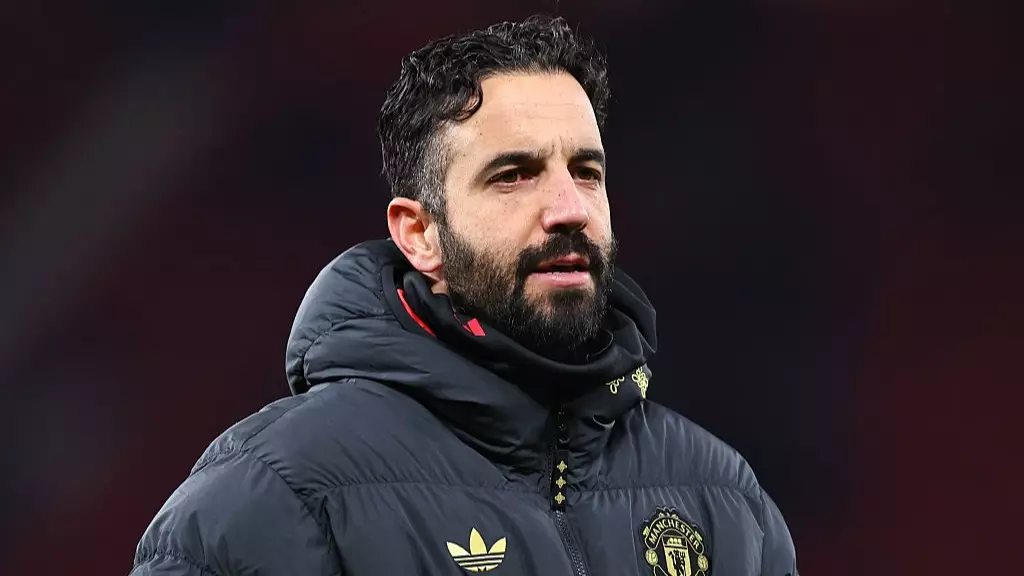
Who is Ruben Amorim?
Ruben Amorim is a prominent figure in the world of football management, recognized for his innovative approaches and strategic mind. Born on January 20, 1985, in Lisbon, Portugal, he began his journey in football at a young age, cementing his passion for the sport as an athlete. Amorim commenced his professional playing career with Sporting CP, where he developed a reputation as a skillful midfielder. His career spanned over a decade, featuring stints with clubs such as Casa Pia, Belenenses, and Vitória de Guimarães. During this time, Amorim displayed considerable technical ability and leadership on the field, which set the stage for his future endeavors.
His playing career was characterized by notable achievements, including crucial contributions to his teams in significant matches. Although Ruben Amorim faced challenges with injuries that curtailed his playing time, he remained committed to the sport. His experiences as a player greatly informed his understanding of football tactics, enabling him to acquire invaluable insights into game management and player psychology.
Following his retirement from professional football in 2017, Ruben Amorim transitioned to coaching, eager to impart his knowledge and passion for the game. He began his managerial career with the youth teams at Sporting CP, where he quickly exhibited his ability to foster talent and develop winning tactics. In 2020, he took the reins of the first team at Sporting CP, marking a significant milestone in his managerial career. Under his guidance, the club achieved immense success, culminating in the Primeira Liga title in 2021, their first in nearly two decades. Amorim’s journey from player to one of Portugal’s most exciting football managers showcases his profound dedication and insightful understanding of the sport
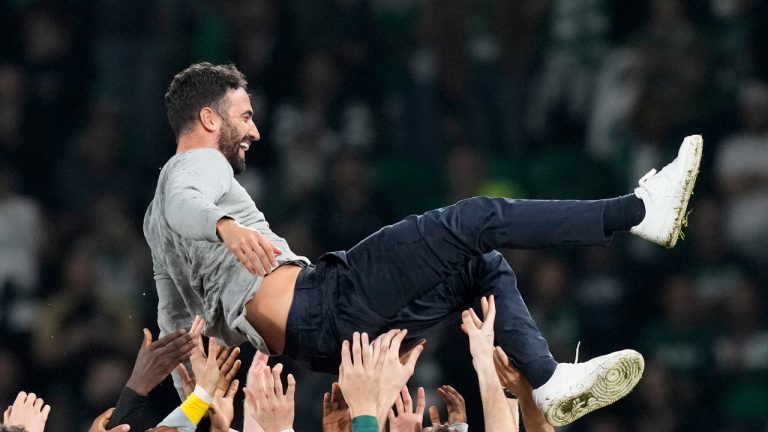
Coaching Philosophy and Style of Ruben Amorim
Ruben Amorim’s coaching philosophy centers on adaptability, innovation, and a deep understanding of the players under his guidance. His approach reflects a blend of tactical awareness and a commitment to developing talent, making him a prominent figure in contemporary football management. Amorim emphasizes intelligent positioning, allowing his teams to exploit spaces effectively whether they are in possession or during transitions.
One of the hallmarks of Amorim’s coaching is his tactical flexibility. He often utilizes a 3-4-3 formation, which provides a robust defensive structure while facilitating attacking fluidity. This setup allows for effective wing play and quick transitions, enabling his players to capitalize on counter-attacking opportunities. Additionally, Amorim is known for implementing positional play, encouraging players to occupy spaces that stretch the opponent’s defense, thereby creating scoring chances.
Another significant aspect of Amorim’s style is his focus on high-intensity pressing. This philosophy, influenced by coaching figures like Jorge Jesus and Pep Guardiola, aims to win back possession rapidly and disrupt the opponent’s rhythm. He instills a strong work ethic in his players, where off-the-ball movements and pressing are fundamental components of their game. By demanding a commitment to pressing, Amorim cultivates a cohesive unit capable of defending and attacking as one. Furthermore, his ability to adapt strategies based on the strengths and weaknesses of opponents showcases his keen observational skills and tactical acumen.
Through these methodologies, Ruben Amorim not only enhances his players’ individual skills but also fosters a collective identity and resilience within the team. This blend of tactics and player development is what ultimately sets him apart as a rising star in football management.
Success at Sporting CP
The rise of Ruben Amorim as a prominent figure in football management has been significantly marked by his tenure at Sporting CP, where he has established a winning culture since his appointment as head coach. Under his leadership, Sporting CP secured the Primeira Liga title in the 2020-2021 season, marking the club’s first championship in nearly two decades. This monumental achievement not only ended a long title drought but also restored pride among the supporters and firmly positioned the club back in the spotlight of Portuguese football.
Amorim’s strategy has been characterized by a blend of tactical flexibility and an unwavering belief in nurturing young talent. His commitment to player development has seen numerous academy graduates become integral components of the first team. Players such as Pedro Gonçalves and Nuno Mendes have flourished under his guidance, showcasing their skills in both domestic and European competitions. The emphasis on youth has revitalized the club’s playing style and instilled a sense of responsibility among emerging talent, making them vital contributors to the team’s success.
Critical decisions made by Amorim during high-stakes matches underscored his ability to adapt and lead effectively. His choice to switch formations or implement game-changing substitutions has often turned the tide in important fixtures. The 2021 Taça da Liga final against Braga exemplified his tactical acumen; his keen insights into the opposition helped Sporting claim another trophy, further cementing his reputation as a promising coach. Testimonials from players reflect a shared admiration for Amorim’s approachable yet authoritative style, with many citing his ability to motivate and inspire. The collective experiences at the club position Ruben Amorim not just as a successful manager, but as a visionary poised to scale even greater heights in football management.

Future Prospects and Impact on Football
Ruben Amorim ascent in the world of football management has positioned him as a notable figure, and his future within the industry holds significant intrigue. Currently at the helm of Sporting CP, Amorim has displayed not only tactical acumen but also the ability to nurture young talent, a quality that marks him as a forward-thinking manager. As leagues worldwide gravitate towards a more data-driven and dynamic style of play, Amorim’s methodology positions him as a potential leader in these evolving football philosophies.
Looking ahead, one can speculate that Amorim will continue to make strides in his managerial career, with possibilities of transitioning to larger clubs in renowned leagues such as the Premier League or La Liga. His success at Sporting CP has already garnered attention, and it’s conceivable that he might be sought after by top-tier football organizations that value innovation and success. This potential move could not only elevate his career but also set a benchmark for young coaches aspiring to reach similar levels of excellence.
Moreover, Amorim’s impact extends beyond his immediate results and achievements. He serves as an inspiring figure for the next generation of coaches and players, demonstrating that consistent hard work and strategic thinking can lead to substantial rewards. His journey encapsulates the essence of modern football management, where adaptability and continual learning are crucial. As he navigates the challenges presented by top-level football, his experiences will undoubtedly influence aspiring talents, encouraging them to develop their own unique coaching styles.
A Ruben Amorim-led future in football management bears the potential to shape the sport for years to come, fostering an environment where innovative thinking and player development are prioritized. Thus, his evolution as a coach and his contributions to football will likely resonate through subsequent generations, making his influence pivotal in the ongoing narrative of the game.
