

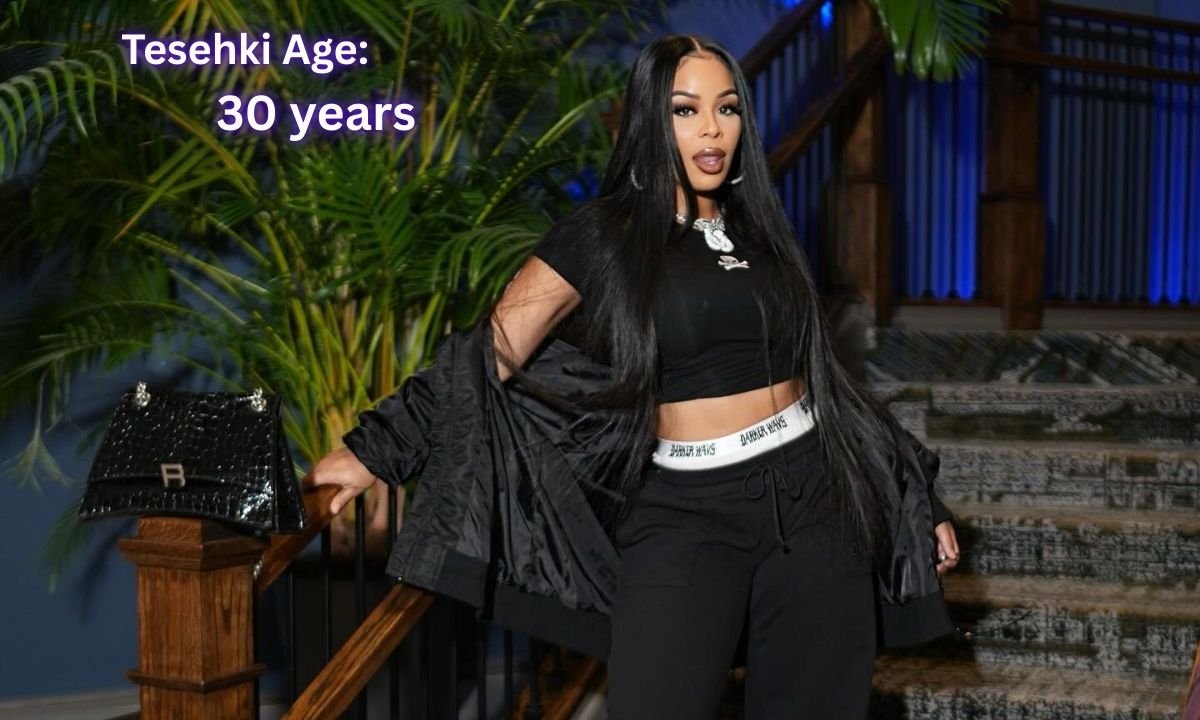
What is Tesehki Age?
The term “tesehki age” refers to a specific timeframe culturally and historically significant in the context of personal development and societal evolution. Originating from a rich tapestry of cultural narratives, the concept encapsulates the idea of transitional phases that signify growth, maturity, and a deeper understanding of one’s identity. Historically, various civilizations have recognized the importance of such transitional age milestones, although the particular definition of “tesehki age” may not have a direct counterpart in every culture.
In traditions that emphasize rites of passage, the tesehki age represents an important stage where individuals often undergo significant transformations. This stage is not merely marked by the number of years lived, but by experiences that foster personal development and societal contributions. For example, in many indigenous communities, coming of age ceremonies are celebrated as pivotal events that recognize the shift from childhood to adulthood, thereby classifying participants within the tesehki age spectrum.
Moreover, the significance of the tesehki age is amplified by its role in various educational frameworks, psychological theories, and sociocultural discussions. Educational systems might refer to the tesehki age when designing curricula that fit the developmental needs of learners at that stage. Psychologists may also explore its relevance when assessing behavioral milestones typical for specific age groups, emphasizing that this age influences individuals’ insights, values, and social roles.
Overall, understanding the concept of tesehki age, including its origins and significance, sheds light on the complexities of human growth and the cultural lenses through which we view our life transitions. It invites a broader conversation about age not solely as a number but as a significant facet of identity shaped by experience and community involvement.

Importance of Tesehki Age in Modern Context
The concept of tesehki age has gained significant attention in contemporary discussions across various societal domains. This term reflects more than just a simple age classification; it embodies a broader understanding of personal development, societal expectations, and educational frameworks in today’s fast-paced environment.
In the realm of education, understanding tesehki age can assist educators in tailoring their teaching methodologies. It allows educators to perceive students’ cognitive and emotional development stages and adapt curricula accordingly. By recognizing how different ages influence learning and engagement, teachers can foster an environment that promotes individual growth, catering to diverse learning needs.
Moreover, the tesehki age plays a pivotal role in shaping societal norms and expectations. It influences how individuals are perceived based on their age-related attributes, leading to improved intergenerational understanding. In many cultures, delineating ages helps define roles, responsibilities, and rights, impacting how communities interact and function cohesively. This understanding can also streamline transitions through various life stages, easing challenges associated with aging and societal changes.
Psychologically, the tesehki age may affect self-perception and identity formation. Individuals at different developmental stages may grapple with different challenges, leading to distinct psychological needs. Awareness of these aspects can facilitate better support systems, enabling individuals to navigate their experiences more adeptly. This focus on the psychological implications enhances the discourse around mental health, encouraging practices that promote wellness at each age level.
In summary, the relevance of the tesehki age extends beyond mere classification. Its implications resonate across education, societal norms, and psychological well-being, making it a critical point of discussion in modern analysis. Recognizing and integrating this concept can enhance our understanding of human development and societal constructs.
Navigating the Tesehki Age
Successfully navigating the tesehki age requires a multifaceted approach that combines practical strategies with a deep understanding of the societal changes associated with this era. Individuals, families, and communities can take various steps to leverage the implications of the tesehki age, promoting enhanced experiences and well-being.
First and foremost, it is essential to embrace lifelong learning. The tesehki age is characterized by rapid advancements in technology and knowledge. Engaging in continuous education can empower individuals to adapt to these changes and stay relevant in their professional and personal lives. Consequently, seeking out workshops, online courses, or community classes tailored to current trends can foster personal growth and adaptability.
Additionally, fostering strong community connections is vital in the tesehki age. Individuals should consider participating in local community groups or online forums that align with their interests and values. Building a supportive network not only provides a sense of belonging but also facilitates the sharing of resources and information critical for thriving in this dynamic environment.
Moreover, maintaining a healthy lifestyle is a crucial aspect of adapting to the challenges posed by the tesehki age. Regular physical activity, balanced nutrition, and mindfulness practices can significantly enhance individual well-being. Families should prioritize these elements by participating in healthy activities together, paving the way for a supportive environment that values health and wellness.
Finally, it is beneficial to cultivate resilience and adaptability. Change is constant in the tesehki age, and developing a mindset that welcomes change can empower individuals and communities to navigate transitions effectively. Emphasizing flexibility and being open to new experiences will undoubtedly support personal and communal growth in this complex age.

Future of Tesehki Age: Trends and Predictions
The concept of tesehki age is expected to undergo significant evolution in the coming years, influenced by a host of emerging trends. As society increasingly embraces technological advancements, the role of tesehki age within various sectors is projected to expand. One prominent trend centers on the integration of artificial intelligence (AI) and machine learning (ML) in understanding and enhancing the parameters of tesehki age. Experts predict that these technologies will play a crucial role in analyzing data related to aging populations, enabling better resource allocation and improved healthcare services.
Another vital aspect of the future of tesehki age involves shifting societal perspectives on aging. As awareness grows surrounding the challenges faced by older populations, there is a movement toward fostering inclusive environments. Organizations and communities are likely to prioritize accessibility and adaptability, ensuring that the needs of all age groups are considered. This shift is expected to manifest in urban planning, healthcare services, and social programs, aligning with the tenets of tesehki age.
Furthermore, the emphasis on lifelong learning is gaining traction, as it directly relates to the evolving concept of tesehki age. Educational institutions are likely to develop programs that cater to different age cohorts, promoting skills development that accommodates the shifts in workforce demographics. The result may be a more knowledgeable and adaptable population, better equipped to navigate the complexities of a fast-paced world.
In summary, the future implications of tesehki age appear promising, driven by technological innovations, changing societal perceptions, and a focus on lifelong learning. As these trends continue to unfold, they are expected to significantly shape how we understand and approach the aging process, leading to enhanced quality of life for all age groups.
