

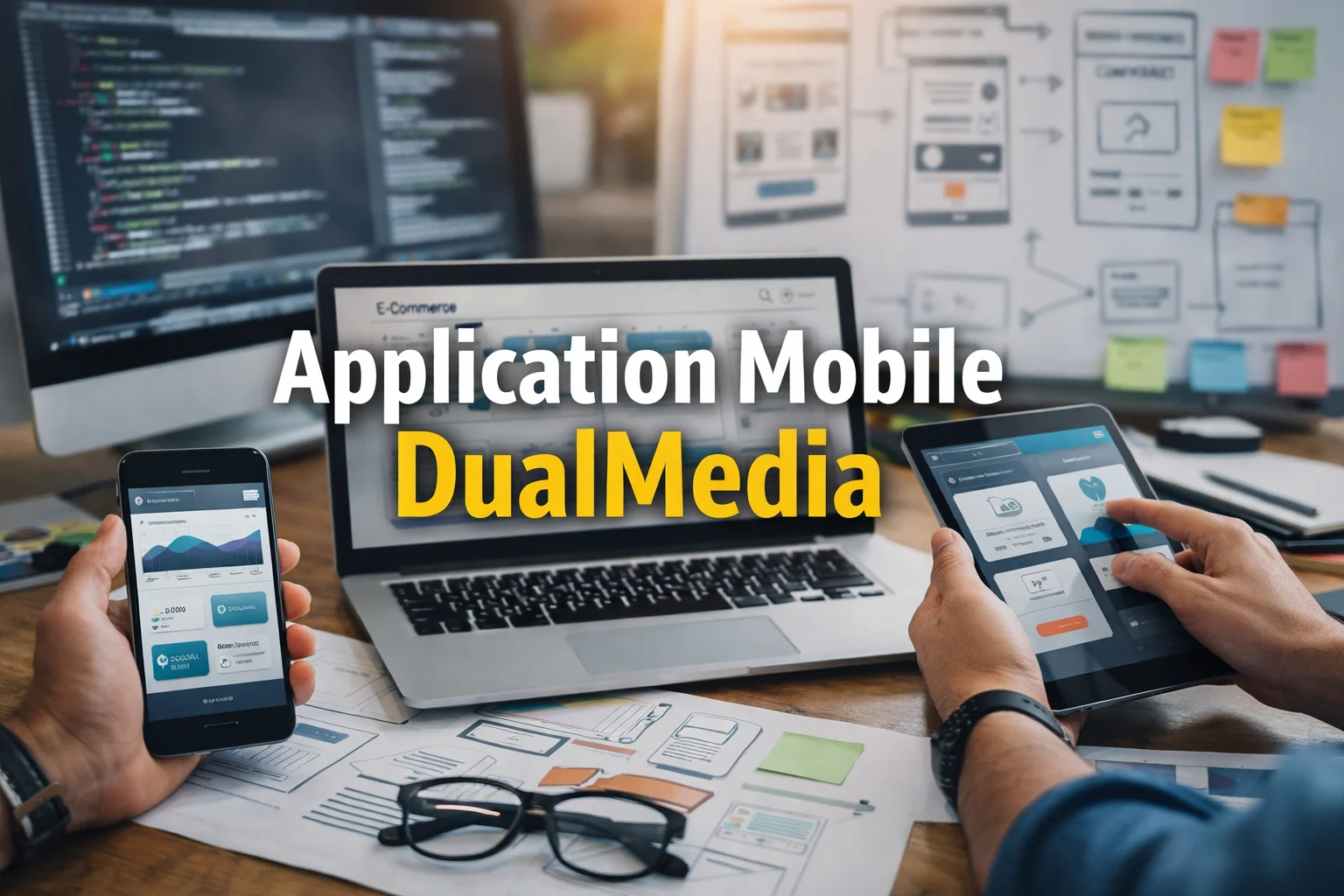
Introduction to Application Mobile Dualmedia
The concept of application mobile dualmedia refers to a category of mobile applications that seamlessly integrate two distinct media types, typically combining audio and visual elements. These applications are designed to enhance user engagement and interactions, creating a more enriched experience than traditional single-medium applications. Given the proliferation of smartphones and tablets, the relevance of dualmedia applications has grown significantly in recent years, positioning them as a vital component in the mobile app landscape.
Dualmedia applications stand out due to their unique features, which often include the ability to play videos while providing accompanying audio commentary, interactive elements that enable user participation, and alternatives that cater to diverse learning styles. These features not only elevate the user experience but also make content more accessible and appealing. For instance, in educational settings, dualmedia applications can facilitate a better understanding of complex concepts through the amalgamation of visual aids and spoken explanations.
The significance of application mobile dualmedia extends beyond mere entertainment value; they foster creativity and innovation in content delivery. Businesses and developers are increasingly recognizing the potential of these applications to effectively engage their target audiences. As organizations strive to maintain a competitive edge, the implementation of dualmedia strategies can lead to improved user retention and satisfaction. Additionally, marketing campaigns that leverage the interactive nature of dualmedia applications can result in higher engagement rates, ultimately driving sales and brand loyalty.
Overall, understanding the essence and application of dualmedia in mobile platforms is essential for anyone interested in exploring modern app development. With their blend of multiple media formats and interactive features, application mobile dualmedia represents a forward-thinking approach to how content can be consumed and experienced in a digital society.

Benefits of Using Application Mobile Dualmedia
In today’s digital landscape, the implementation of application mobile dualmedia presents a myriad of advantages that cater to diverse audience needs. One of the primary benefits is the enhancement of user experience. By integrating various media formats, such as text, video, and audio, these applications facilitate a more immersive interaction. Users engage more effectively when they can choose their preferred mode of content consumption, thus increasing satisfaction and retention rates.
Moreover, application mobile dualmedia significantly boosts user engagement. With the ability to switch between different media types, users are less likely to feel overwhelmed or disinterested. Interactive elements such as quizzes, discussions, and multimedia presentations attract users, keeping them involved longer. This active participation leads to increased likelihood of sharing content across platforms, thereby broadening reach and fostering community interaction.
Seamless content delivery is another standout benefit of utilizing application mobile dualmedia. These applications are designed to operate smoothly across various devices, ensuring that users have consistent access regardless of the platform they choose to use. This flexibility not only meets diverse user preferences, but also addresses the ever-expanding spectrum of devices available in the market today.
Additionally, application mobile dualmedia caters to the specific needs of various user demographics, including those with different learning styles and preferences. For instance, visual learners can consume video content, while auditory learners might prefer podcasts or audio clips. This adaptability ensures that applications can serve a broad audience and remain relevant in a fast-evolving technological environment.
Key Features to Look for in Application Mobile Dualmedia
When developing an application mobile dualmedia, several key features should be prioritized to enhance user experience and effectiveness. First and foremost, the user interface (UI) design plays a crucial role. An intuitive and aesthetically pleasing UI attracts users and keeps them engaged. Applications must be designed with clear navigation, appealing visuals, and an organized layout to ensure effortless interaction.
Another essential feature is cross-platform compatibility. A mobile dualmedia application should be accessible across various devices and operating systems. This ensures that users can seamlessly transition between their smartphones, tablets, and other devices without losing functionality or data. The significance of this feature cannot be overstated, as it broadens the user base and increases overall engagement.
Multimedia integration is also a vital component of a successful mobile dualmedia application. Users expect to consume rich content in varied forms, including text, images, audio, and video. Applications should enable users to engage with this diverse range of media types effectively, providing a holistic experience. Additionally, responsive design must not be overlooked. A responsive mobile dualmedia application automatically adjusts its layout and features according to the device’s screen size and orientation, ensuring optimal usability across all platforms.
In summary, these key features—user interface design, cross-platform compatibility, multimedia integration, and responsive design—are instrumental in shaping the success of an application mobile dualmedia. By focusing on these elements, developers can create applications that not only meet the demands of modern users but also foster long-term engagement and satisfaction.

Future Trends in Application Mobile Dualmedia
The evolving landscape of mobile applications is significantly influenced by advancements in technology, particularly in the domain of application mobile dualmedia. Among these advancements, augmented reality (AR) and virtual reality (VR) integration stands out as a groundbreaking trend. By enabling immersive experiences, these technologies allow users to interact with digital content in a more engaging manner. For instance, AR applications can transform real-world environments by overlaying informative graphics or interactive elements, enhancing user experience and learning potential.
Another pivotal trend shaping the application mobile dualmedia is the incorporation of artificial intelligence (AI) for personalized user experiences. AI algorithms can analyze user behavior, preferences, and interactions, tailoring content and features to meet individual needs. This powerful capability not only enhances user engagement but also boosts retention rates, as users are more likely to continue utilizing applications that resonate with their personal preferences.
Furthermore, advanced analytics is becoming integral to the development and optimization of dualmedia applications. By harnessing data analytics, developers can gain insights into user interactions, patterns, and preferences. This facilitates informed decision-making regarding feature enhancements and targeted content delivery. For instance, understanding how users navigate through an application can lead to strategic adjustments that prioritize user experience and satisfaction.
As the market continues to grow, developers must stay attuned to these emerging trends in application mobile dualmedia. The integration of AR/VR, AI personalization, and analytics will not only redefine user engagement but also shape the future development strategies for mobile applications. Staying ahead of these trends will be crucial in creating applications that not only meet user expectations but also push the boundaries of what is possible in mobile technology.
