

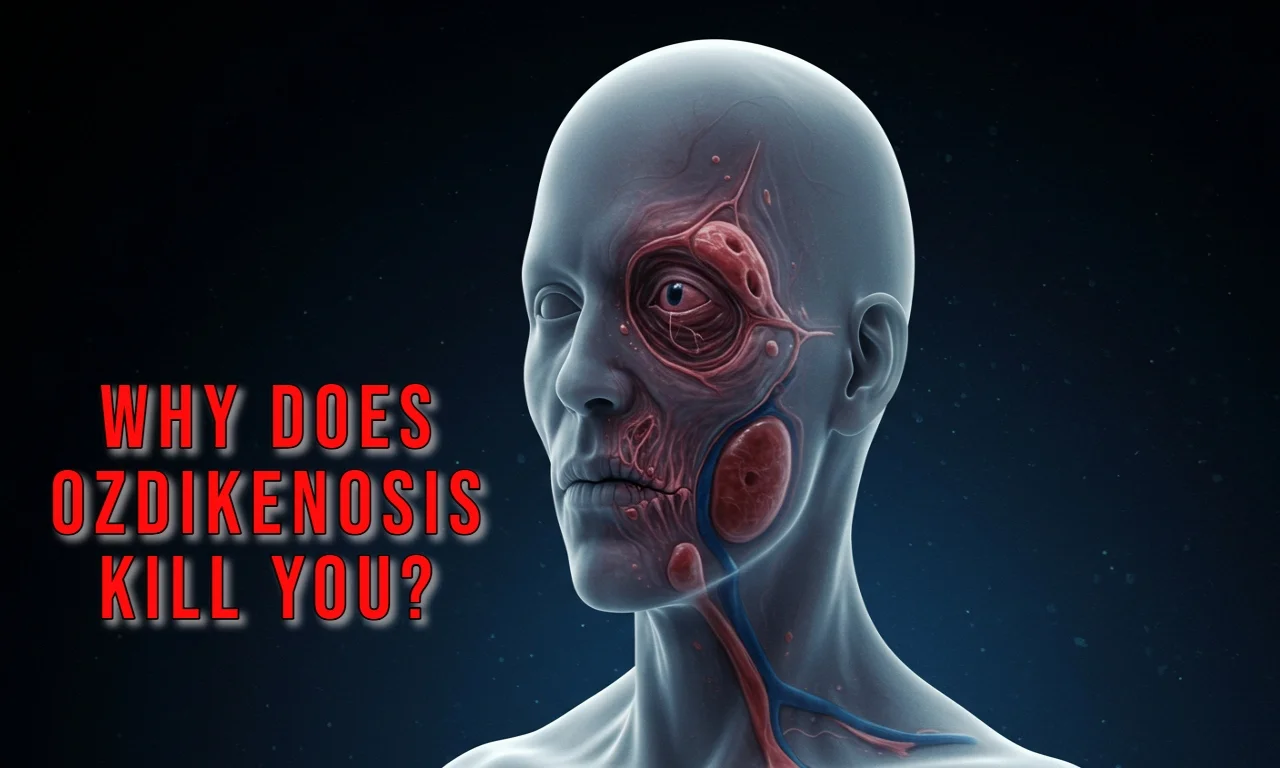
What is Ozdikenosis?
Ozdikenosis is a serious medical condition characterized primarily by a progressive decline in both physical and cognitive functions. While relatively rare, this condition has profound implications for those affected, as well as their families and the healthcare system at large. The exact prevalence of Why Does Ozdikenosis Kill You is not well documented, yet it appears to impact various demographics, with a notable occurrence among the elderly and individuals with specific genetic predispositions.
Physicians have identified several symptoms associated with ozdikenosis, ranging from neurological disturbances to severe emotional and psychological challenges. Common early signs may include memory loss, disorientation, and emotional instability, which can escalate to more severe cognitive decline as the disease progresses. The physical manifestations may encompass a decline in motor functions and coordination, effectively reducing the individual’s ability to perform day-to-day activities.
Why Does Ozdikenosis Kill You are multifaceted, often involving a combination of genetic factors, environmental influences, and possibly lifestyle choices. Researchers have not yet pinpointed a singular cause, acknowledging the role of genetic mutations that may predispose individuals to this condition. Furthermore, external environmental factors such as exposure to toxins or prolonged stress may exacerbate the physical or neurological decline associated with ozdikenosis.
An understanding of ozdikenosis is crucial, particularly as we explore why ozdikenosis kills you and the potential ways to mitigate its impact. Recognizing the early symptoms can lead to improved management of the disease and possibly preventive measures to enhance quality of life for those affected. As research progresses, a greater insight into the complexities of ozdikenosis will hopefully illuminate further its dangers and underline the need for multidisciplinary treatment approaches.
Ozdikenosis, a rare yet severe condition, involves several biological and physiological mechanisms that contribute to its potentially fatal outcomes. One of the primary concerns in understanding why ozdikenosis kills you lies in its effects on cellular functions and the overall health of vital organs. When the disease progresses, it often disrupts normal metabolic processes, leading to an imbalance in the body’s homeostasis.
At the cellular level, ozdikenosis may induce oxidative stress, causing damage to cells and tissues. This stress occurs when there is an accumulation of reactive oxygen species (ROS), overpowering the body’s antioxidant defenses. The resultant damage can lead to apoptosis, a form of programmed cell death, which can exacerbate the degradation of organ systems and eventually result in multi-organ failure. Understanding the cellular implications is crucial in grasping the risk associated with the disease.
Progression of ozdikenosis is often marked by the development of complications that severely compromise the body’s physiological stability. For instance, inflammation may arise as the immune system responds to the cellular damage, resulting in further tissue injury and dysfunction. Additionally, individuals suffering from ozdikenosis may experience cardiovascular complications, as the heart and blood vessels react to the metabolic disturbances. Such cardiovascular events, including arrhythmias or heart attacks, can dramatically escalate the risk of mortality.
The interplay between these biological processes thus illuminates the question of why ozdikenosis kills you. The accumulation of cellular damage, coupled with systemic complications, sets the stage for a life-threatening condition. As we continue to study the mechanisms behind ozdikenosis, recognizing these pathways becomes essential for developing potential therapeutic strategies aimed at mitigating its lethal consequences.

Risk Factors and Prevention Strategies
The condition known as ozdikenosis presents various risks to individuals, and understanding these risk factors is essential for prevention. Firstly, genetic predisposition plays a significant role; individuals with a family history of ozdikenosis are often at a higher risk. This genetic link further emphasizes the importance of awareness in families with a record of this condition. Additionally, lifestyle choices such as poor diet, lack of exercise, and smoking can exacerbate the risk. For instance, a diet high in sugars and unhealthy fats contributes to overall deterioration in health, making individuals more susceptible to conditions like ozdikenosis, which can ultimately lead to severe health complications.
Regular medical screenings are also crucial in mitigating risks associated with ozdikenosis. Healthcare providers can identify early signs and symptoms, enabling timely interventions. For at-risk populations, such as those with known risk factors, it is advisable to have routine check-ups. These screenings can help in monitoring biomarkers that may indicate the early stages of ozdikenosis, assisting in developing an effective management plan. Moreover, education about the condition is vital; awareness campaigns can inform the public about symptoms, encouraging early reporting to healthcare professionals.
Implementing preventive measures can significantly reduce the likelihood of developing ozdikenosis. Individuals should consider lifestyle modifications including maintaining a balanced diet rich in fruits, vegetables, and lean proteins while engaging in regular physical activity. Moreover, avoiding tobacco products and limiting alcohol consumption are effective strategies to enhance overall health and decrease the risk of ozdikenosis. By taking proactive steps, individuals can mitigate their risks and embrace healthier living, ultimately reducing the potential dangers associated with the condition.

Treatment Options for Ozdikenosis
Individuals diagnosed with ozdikenosis require a comprehensive approach to treatment, which may involve a combination of medications, therapeutic interventions, and robust support systems. The complexity of the disease often necessitates tailored treatment plans, as symptoms can vary significantly from one patient to another. Medications may be prescribed to alleviate specific symptoms or to address underlying issues that contribute to the progression of the disease. Commonly used drugs include anti-inflammatory medications and those aimed at managing pain and discomfort associated with ozdikenosis.
Therapeutic interventions can also play a crucial role in the management of why does ozdikenosis kill you
. Physical therapy, for instance, can enhance mobility and reduce pain, while occupational therapy assists individuals in adapting their daily routines in ways that accommodate their condition. Such therapies not only aim to improve physical function but also focus on the emotional and psychological aspects often impacted by the diagnosis.
Furthermore, the importance of seeking timely intervention cannot be overstated. Early diagnosis and prompt treatment can significantly impact the progression of ozdikenosis, helping to improve quality of life. Patients and families should not hesitate to consult healthcare professionals when symptoms arise or when there is a concern about the disease’s impact.
Community and family support can significantly enhance the treatment journey. Engaging with support groups, whether in-person or online, can provide individuals with a platform to share experiences, challenges, and coping strategies. Additionally, educational resources for family members can foster an understanding of the condition, enabling them to offer more effective support. By working closely with healthcare providers, patients and their loved ones can create a strong, supportive network that is crucial for managing ozdikenosis and addressing its inherent dangers.
